
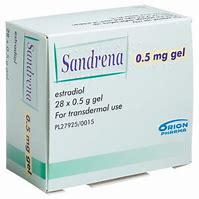
Sandrena Gel Sachets (Pack of 28)
£28.99
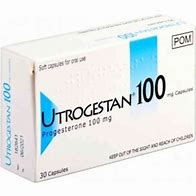
Utrogestan Capsules (Pack of 30)
£30.99
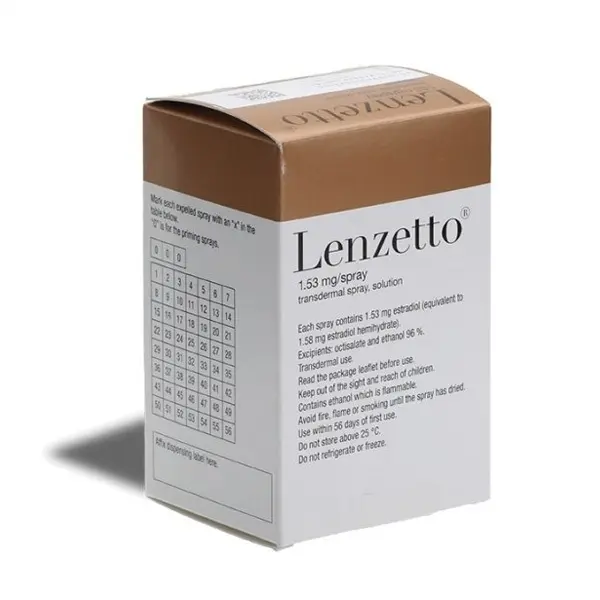
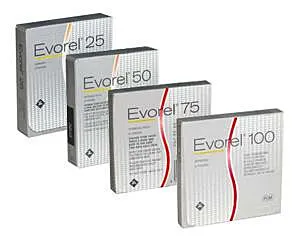
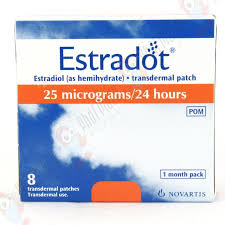
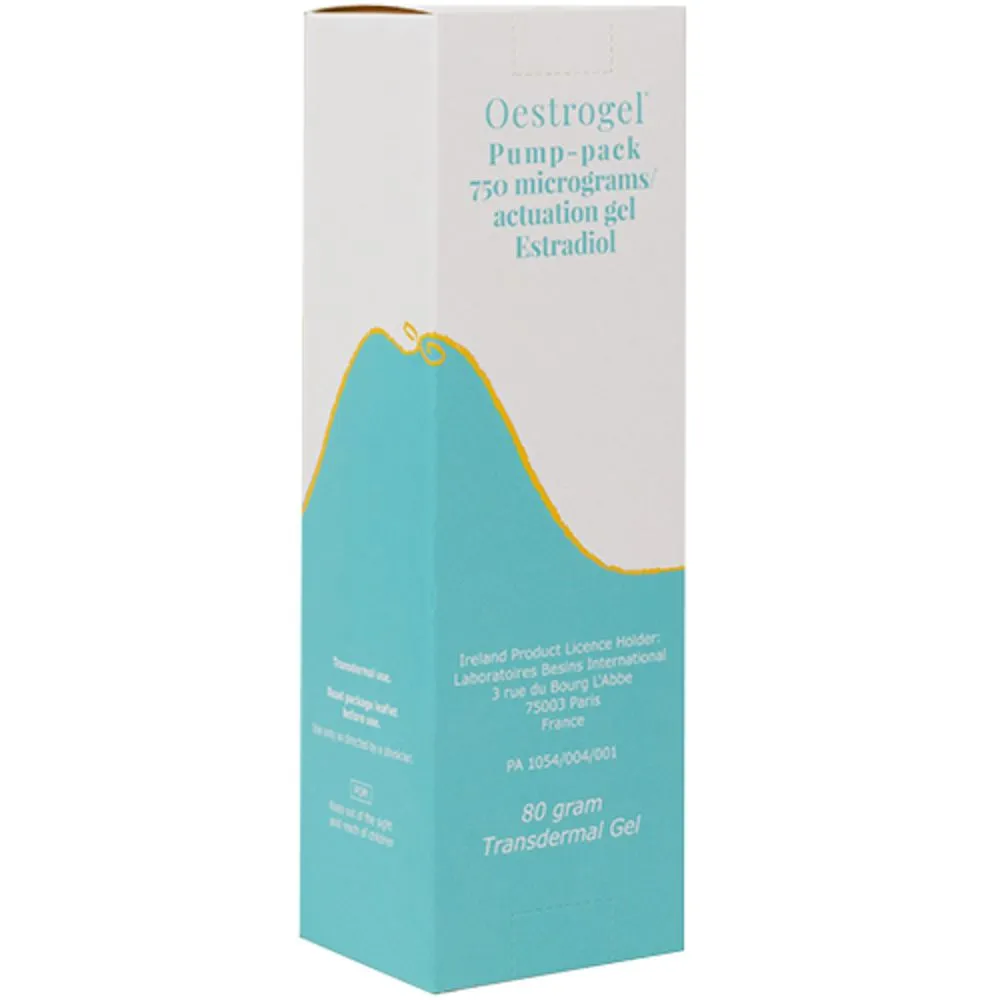
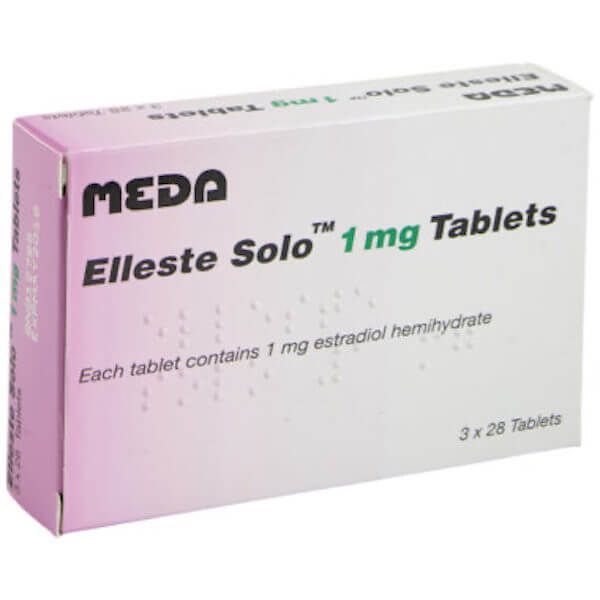
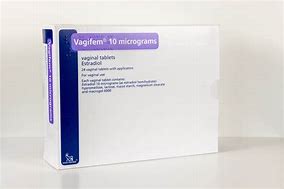
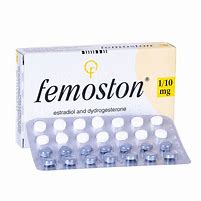
HRT, or Hormone Replacement Therapy, is a proven way to manage menopause symptoms. By replacing the hormones your body stops producing, HRT can help ease discomfort and improve your quality of life.
During menopause, your ovaries produce less oestrogen and progesterone, leading to symptoms like hot flashes, mood swings, and vaginal dryness. HRT can help restore hormonal balance, giving you the relief you need to move through this phase with confidence.
- Estrogen-Only HRT: Designed for women who have had a hysterectomy (removal of the uterus). This form focuses solely on replacing oestrogen to alleviate symptoms.
- Combined HRT: A mix of oestrogen and progesterone, tailored for women who still have their uterus. The addition of progesterone protects against the risk of uterine cancer associated with oestrogen-only treatments.
- Local HRT: A low-dose option that delivers oestrogen directly to the vaginal area using creams, rings, or tablets. It's ideal for addressing specific symptoms like dryness or discomfort during intimacy.
- HRT is not one-size-fits-all—it's about finding what works best for your body and your needs.
- Tablets (oral)
- Skin patches
- Gels or sprays applied to the skin
- Implants inserted under the skin
- Vaginal products like creams, rings, or pessaries
While HRT can be an effective treatment for many women, it may carry certain risks depending on your individual health factors. It's important to consider these potential risks:
- Relieves menopause symptoms: Helps alleviate common symptoms like hot flashes, night sweats, and mood swings.
- Improves vaginal health: Reduces dryness and discomfort, improving overall intimate health.
- Reduces the risk of osteoporosis: Helps maintain bone density, lowering the risk of fractures and supporting long-term bone health.
- Enhances sleep and quality of life: May improve sleep patterns and overall well-being, helping you feel more balanced and energised.
While HRT can be an effective treatment for many women, it may carry certain risks depending on your individual health factors. It's important to consider these potential risks:
- Breast cancer risk: There is a small increased risk, particularly with long-term combined HRT.
- Blood clots and stroke: Oral HRT may increase the risk of blood clots and stroke.
- Heart disease: Some women may have an increased risk of heart disease while on HRT.
That said, research has shown that HRT can provide additional benefits, such as preventing osteoporosis, supporting memory function (including potential protection against Alzheimer's), and promoting cardiac health.
For the most up-to-date research and detailed guidance, refer to the latest NICE guidelines and trusted medical sources.
Yes, there are alternatives. Non-hormonal medications can be used to target specific symptoms like mood swings or hot flushes. Lifestyle changes—such as a balanced diet, regular exercise, and stress management can also help alleviate symptoms. While some herbal remedies may offer relief, their effectiveness is still being studied, so it's important to approach them with caution.
HRT can be used for menopause symptoms, including during perimenopause and after your periods stop (post-menopause).
There's no set timeframe for how long you can take HRT, but you'll typically have a yearly review with your healthcare provider. Some symptoms may last longer, so HRT could be needed for a few years. The decision to continue HRT is based on whether the benefits outweigh the risks, which varies for each individual.
As you get older, especially after age 60, menopause symptoms tend to improve, and you may find that you need a lower dose or no HRT at all.
If you're using hormonal contraception, such as the combined pill or the progestogen-only pill, you might not be aware of when you're entering perimenopause or menopause because the contraception can affect your periods.
The combined pill can mask or improve menopause symptoms because it contains estrogen, which is also used in HRT. However, you cannot take HRT while using the combined pill. Your GP may suggest continuing the pill until age 50, after which HRT could be a better option. You might be advised to take the pill continuously, without a break, in a 4-week cycle.
If you're on the progestogen-only pill (mini-pill), it's usually fine to take HRT alongside it.
You generally no longer need contraception after age 55, as pregnancy becomes unlikely. However, barrier methods like condoms may still be recommended to protect against sexually transmitted infections (STIs).
If you decide to stop HRT, it's best to gradually reduce the dose over 3 to 6 months. If your symptoms return or don't improve after 3 months, you may want to restart HRT at a lower dose. Our clinical team is always available to discuss your options and help you make an informed decision.